Diesel semi-trucks account for 18% of all U.S. vehicle emissions, and managing DEF delivery Pennsylvania operations became more complex. New York’s Advanced Clean Trucks rule mandates that by 2035, 40% of new Class 7-8 tractor sales must be zero-emission vehicles, while Pennsylvania fleets continue serving both states under stricter standards.
Cross-state compliance requires more than quality DEF. You need reliable pennsylvania delivery services that keep your SCR systems running efficiently and meet New York’s rigorous emissions requirements.
We’ll walk you through selecting the right delivery pennsylvania provider and setting up automated re-fill programs. You’ll also learn how to maintain compliance documentation and manage inventory across your operation.
Understanding DEF Requirements in Pennsylvania and New York
What is Diesel Exhaust Fluid (DEF)?
DEF consists of 32.5% urea and 67.5% deionized water, developed to meet ISO 22241 standards. This aqueous urea solution works within selective catalytic reduction systems and converts harmful nitrogen oxides into harmless nitrogen and water vapor during combustion. The combination of DEF and SCR technology reduces pollution emitted by diesel vehicles by 90%.
Nearly all on-road diesel trucks have used DEF as part of their SCR systems since 2010, following EPA Tier 4 Emissions Standards. The injection rate runs 2-6% of diesel consumption volume, which keeps refill intervals manageable without oversized storage tanks. DEF freezes at 12°F. Engine coolant provides heat to melt frozen fluid through a thermostatic control valve.
Pennsylvania DEF Delivery Services Overview
Pennsylvania providers offer both on-demand and scheduled DEF delivery near me services in urban and rural regions statewide. Bulk delivery options include direct refilling of storage containers at your facility using weights and measures certified equipment. Several providers offer packaged DEF in sizes ranging from 2.5-gallon jugs to 330-gallon totes for varying operational needs.
Automated DEF tank monitoring programs eliminate guesswork. They track consumption patterns and schedule refills before shortages occur. Pennsylvania delivery services harrisburg pa and other locations provide flexible scheduling through customer service teams who arrange delivery times that match your operational requirements.
New York Emissions Standards for Commercial Fleets
New York City Local Law 145 of 2013 requires all heavy-duty trade waste vehicles operating in the city to have EPA certified 2007 or later engines by January 1, 2020. Vehicles must maintain functional on-board diagnostics to monitor SCR systems, detect low-DEF levels, and alert drivers via warning lights. Tamper prevention systems must prevent bypassing DEF usage to maintain compliance.
Vehicles can reduce speed to as little as 5 mph within hours of a DEF-related fault when DEF runs out or system sensors fail. New requirements introduce a three-phase inducement approach starting with model year 2027: 15% torque reduction at 650 miles, 30% reduction at 4,200 miles, and 25 mph maximum speed at 8,400 miles.
Why DEF Management Matters for Cross-State Operations
Fleets operating between Pennsylvania and New York face dual regulatory requirements. These just need consistent DEF quality and availability. Noncompliance guides to hefty fines or loss of operating permits. Poor-quality or contaminated DEF damages sensitive SCR components including sensors, injectors, and catalysts. For more DEF maintenance tips, understanding storage requirements between 12°F and 86°F prevents degradation. Contact providers for a bulk DEF quote that meets your cross-state operational demands.
Setting Up Reliable DEF Delivery Services in Pennsylvania
Choosing a Pennsylvania Delivery Services Provider
You should prioritize companies that offer detailed services beyond simple product delivery as you select a DEF delivery Pennsylvania provider. Providers with strong customer reviews and long-standing client relationships show dependable service. Certifications that adhere to industry standards for quality and safety separate reliable suppliers from inconsistent ones.
Service range matters just as much. Providers should offer on-site delivery, bulk options and packaged DEF to accommodate varying operational needs. Transparent pricing structures with detailed quotes that outline fuel, delivery and additional service costs prevent unexpected expenses. Responsive customer service that addresses concerns quickly during high-demand periods builds confidence in your provider’s knowing how to deliver on schedule.
Bulk DEF Delivery vs. On-Demand Services
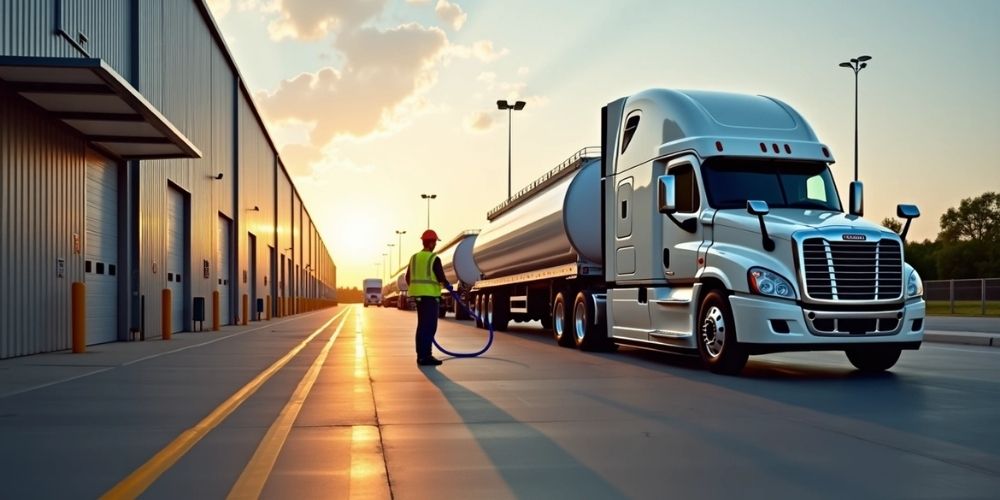
Fleets that consume 300 to 600 gallons weekly benefit most from bulk delivery through tanker trucks into on-site storage tanks. These tanks range from several hundred to over 4,000 gallons. Bulk systems reduce DEF costs by 25% to 50% compared to packaged options. Remote inventory monitoring enables suppliers to replenish tanks before shortages occur.
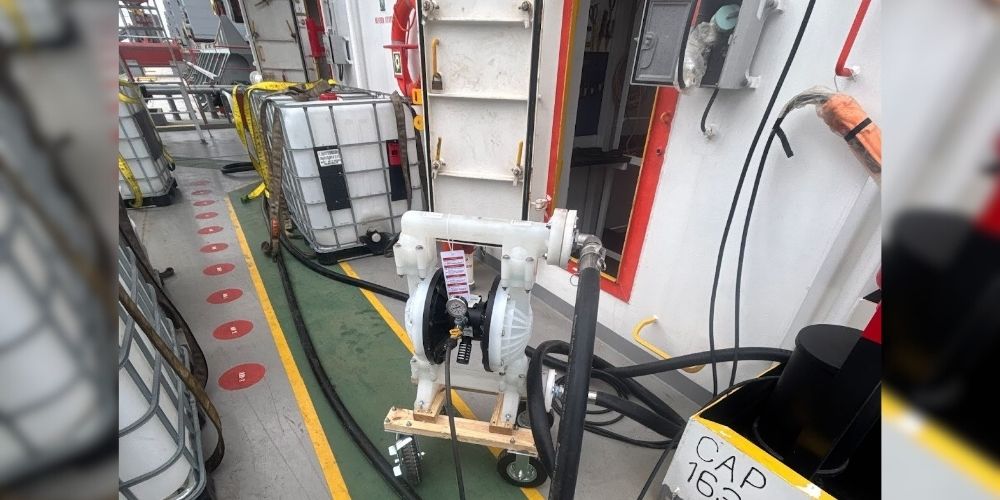
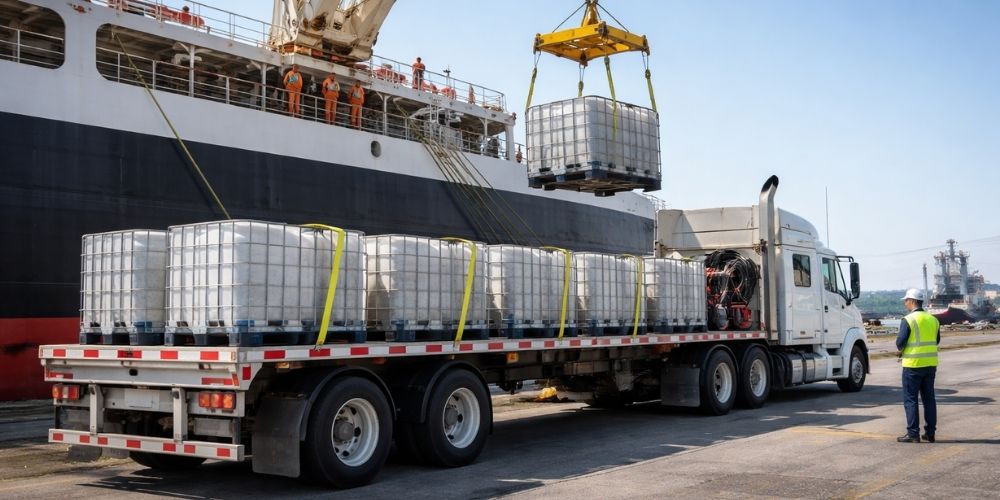
Operations with lighter DEF needs find packaged options more practical. These range from 2.5-gallon jugs to 330-gallon totes. Tote systems provide bulk pricing advantages without requiring extensive storage infrastructure. Refillable totes equipped with electric pumps offer budget-friendly dispensing without significant upfront investment.
Auto Re-fill Programs for Fleet Efficiency
DEF tank monitoring systems track fluid levels live and automatically trigger refill deliveries at the time tanks reach 30% capacity. This proactive approach eliminates manual checks and prevents unexpected downtime from empty tanks. Remote monitoring devices installed on tanks and totes integrate with fleet management software. They provide evidence-based insights into consumption patterns.
Storage Tank Requirements and Best Practices
Use API-certified DEF products that meet ISO 22241 specifications. Dedicated bulk storage tanks prevent cross-contamination. Maintain storage temperatures between 12°F and 86°F to preserve shelf life. Request a Certificate of Analysis with every shipment that addresses all ISO 22241 quality characteristics. Employ dedicated dispensing equipment and avoid shared funnels or hoses used for other fluids.
For more information, visit our DEF delivery near me page or contact us for a bulk DEF quote.
Staying Compliant with NY Emissions Regulations
NY Heavy-Duty Vehicle Emission Standards
All non-exempt diesel vehicles over 8,500 pounds maximum gross weight registered in the Diesel Emissions Metropolitan Area must complete annual diesel emissions inspections. DEMA encompasses New York City, Nassau County, Suffolk County, Rockland County, and Westchester County. Vehicles registered outside DEMA face random roadside diesel emissions inspections. A roadside inspection failure results in a $700 fine for first offenses and $1,300 for subsequent violations. Smoke opacity limits depend on engine model year: 1991 or newer engines cannot exceed 40%, 1974-1990 models must stay under 55%, and 1973 or older engines have a 70% threshold.
DEF Quality and Purity Requirements
DEF must meet ISO 22241-1 specifications with exactly 32.5% urea concentration in deionized water. A digital refractometer verifies proper concentration, with acceptable measurements of 32.5% +/- 1.5% that account for instrument tolerances. Chemical contamination damages SCR catalysts and cannot be removed. This requires complete DEF replacement. Using API-certified DEF products prevents system damage and maintains EPA emissions regulations compliance.
Record Keeping and Documentation for Compliance
Owners must maintain records for at least two years after creation, though some jurisdictions require five-year retention. Documentation should include all testing results and maintenance events along with monitoring data. Records must remain available to Department personnel for inspection. Adequate maintenance records help determine future needs and track past exposure.
Inspection and Maintenance Schedules
Tank level verification occurs during each pre-trip inspection. Monthly tasks include urea concentration testing with digital refractometers and DEF line examination. Quarterly inspections cover NOx sensor calibration and diagnostics. Professional service shops should replace DEF pump filters, prescreens, and dosing valve prescreens every three years or 300,000 miles.
Managing DEF Inventory Across Pennsylvania Operations
Calculating Your Fleet’s DEF Consumption Rate
DEF consumption relates directly to fuel usage at approximately 2% to 3%, equaling 2 to 3 gallons for every 100 gallons of diesel burned. Most vehicles just need one gallon of DEF for every 50 gallons of diesel fuel, with one gallon lasting between 300 to 500 miles. A fleet of 50 vehicles averaging 6.5 miles per gallon with a 3% DEF usage rate consumes just under 18,500 gallons of DEF annually if each driver travels 80,000 miles.
Monitoring DEF Levels and Preventing Shortages
Never allow vehicle DEF tanks to become empty. Refill when 2-3 inches of DEF remains inside [154]. Drivers should refill DEF at least once every third fuel tank refill. DEF tank monitoring systems help you track usage patterns and anticipate when refills are needed. This streamlines delivery planning. A regular delivery schedule that lines up with your fleet’s consumption prevents last-minute shortages.
Seasonal Considerations for DEF Storage
DEF stored at a consistent temperature around 75 degrees Fahrenheit maximizes shelf life from one year to two years. DEF expands by approximately 7% when it freezes. Avoid filling storage tanks to prevent cracking and leaks from expansion pressure. Inspect DEF regularly for color changes that indicate compromised quality. Fresh DEF flows smoother and tolerates temperature swings better during winter operations.
Working with Pennsylvania Delivery Services Harrisburg PA and Other Locations
Pennsylvania delivery services Harrisburg PA providers offer flexible scheduling with packaged DEF ranging from 2.5-gallon jugs to 5,200-gallon bulk loads. Diesel Direct provides 24/7 on-site fueling with custom DEF replenishment programs. Scheduled or on-call delivery options accommodate varying operational demands. Contact providers for a bulk DEF quote that matches your cross-state fleet requirements.
Conclusion
You now have everything needed to manage DEF delivery Pennsylvania operations while maintaining compliance in both states. Increasingly strict emissions standards mean your fleet requires more than simple DEF supply—you need automated DEF tank monitoring, quality assurance and reliable scheduling.
Establish consistent delivery schedules that match your consumption patterns. Your documentation should stay current and your SCR systems must run efficiently. The right delivery partner makes cross-state compliance straightforward.
Key Takeaways
Managing DEF delivery across Pennsylvania and New York requires strategic planning to meet dual regulatory requirements while maintaining operational efficiency.
• Calculate DEF consumption at 2-3% of diesel usage and establish automated monitoring to prevent costly shortages and compliance violations • Choose certified Pennsylvania delivery providers offering bulk services, flexible scheduling, and real-time tank monitoring for cross-state operations • Maintain ISO 22241-compliant DEF quality with proper storage between 12°F-86°F and dedicated dispensing equipment to protect SCR systems • Keep detailed compliance records for 2-5 years including testing results, maintenance events, and inspection schedules for regulatory audits • Implement pre-trip inspections, monthly concentration testing, and quarterly NOx sensor calibration to stay compliant with NY emissions standards
Proper DEF management prevents the severe operational penalties of non-compliance, including speed restrictions down to 5 mph and fines up to $1,300, while ensuring your fleet operates efficiently across state lines.
FAQs
Q1. Are diesel vehicles in Pennsylvania required to undergo emissions inspections? No, diesel vehicles are not currently subject to emissions inspections in Pennsylvania. However, removing emissions equipment from your vehicle can still result in fines if you’re stopped by law enforcement, even without mandatory inspection requirements.
Q2. What role does DEF play in meeting emissions standards for diesel trucks? DEF is an essential component of modern diesel emissions systems, not just an accessory. It works within the Selective Catalytic Reduction (SCR) system to help diesel trucks meet federal emissions standards by converting harmful nitrogen oxides into harmless nitrogen and water vapor.
Q3. Which government agency sets the emissions standards that require DEF usage? The Environmental Protection Agency (EPA) establishes emissions standards requiring DEF usage in diesel vehicles. The EPA mandates that vehicles using DEF must meet specific nitrogen oxide (NOx) emissions limits based on Tier 2, Tier 4, or 2010 emissions standards, depending on the vehicle type and model year.
Q4. Is DEF classified as part of a vehicle’s emissions control system? Yes, DEF is an integral part of the emissions control system on modern diesel engines. It functions within the SCR system to reduce harmful emissions and help vehicles comply with environmental regulations.
Q5. How much DEF does a typical diesel fleet consume compared to diesel fuel? Most diesel vehicles consume DEF at a rate of approximately 2-3% of their diesel fuel usage. This typically translates to about one gallon of DEF for every 50 gallons of diesel fuel, or roughly 2-3 gallons of DEF per 100 gallons of diesel burned.