
Why API Certified DEF Matters: Understanding ISO 22241 Compliance Requirements
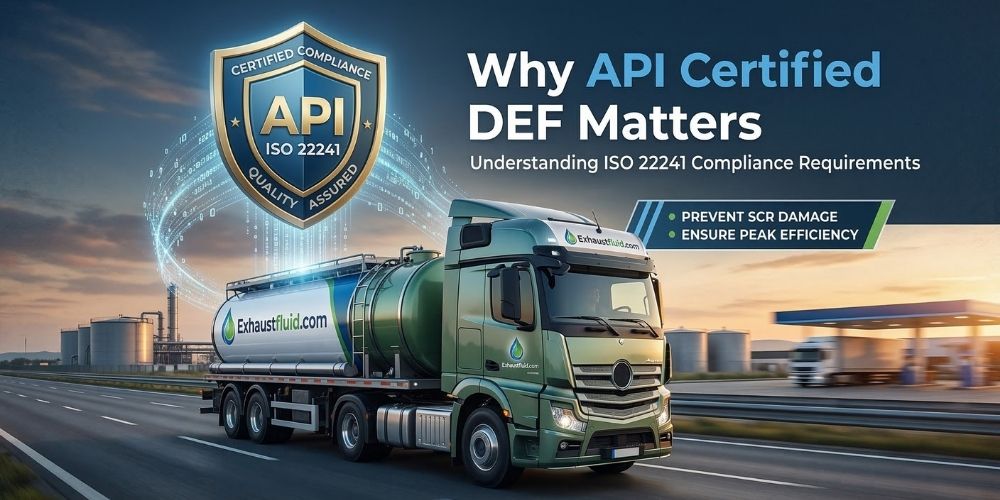
Introduction Not all DEF products meet the same standards. Choosing API certified DEF can mean the difference between reliable fleet performance and pricey SCR system failures. While the DEF standard requires a precise 32.5% urea concentration, most important quality differences exist based on ISO 22241 compliance, storage conditions and handling practices. Using contaminated or substandard DEF fluid ingredients introduces risks that extend way beyond the […]
DEF for Locomotives: Your Essential Guide to Meeting Rail Emissions Standards in 2026
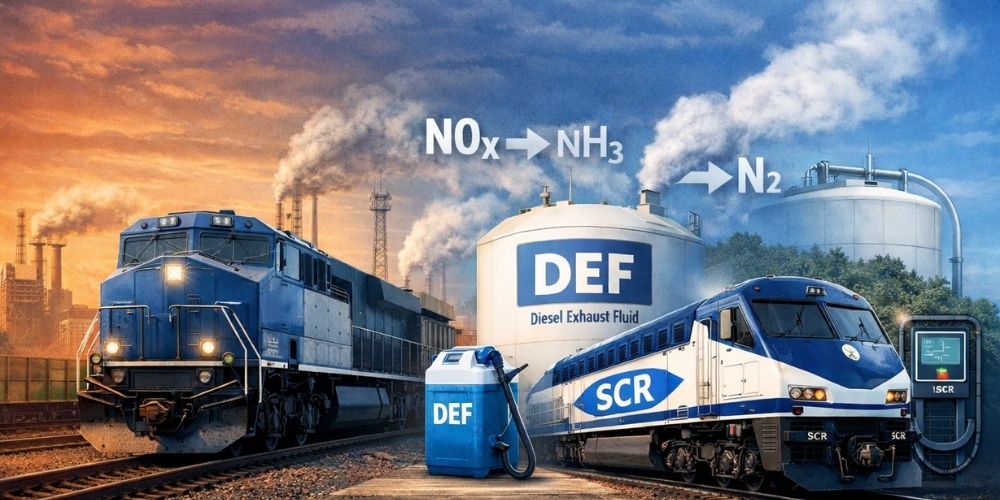
Introduction Understanding DEF for locomotives is critical as rail operators prepare for stricter emissions standards in 2026. Tier 4 locomotives are designed to reduce criteria pollutant emissions by 70 percent over standard locomotives. These units produce more than 90 percent less particulate matter and nitrogen oxides (NOx) than earlier models. But most Tier 4 locomotives achieve this through Exhaust […]
Marine DEF 40% Urea vs AUS 32: Which is Right for Your Vessel? [2026]
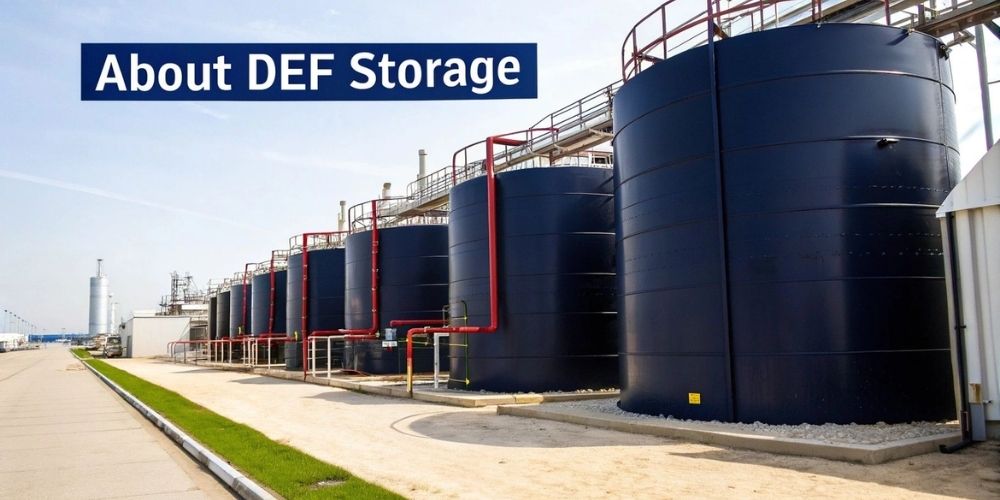
Marine DEF 40% urea is designed for vessels operating Selective Catalytic Reduction (SCR) systems to meet strict maritime emission requirements. Land-based diesel engines use AUS 32 with 32.5% urea concentration. Marine applications often require the higher 40% concentration solution. The main difference lies in urea strength, freezing points and compliance standards tailored for different operating environments. AUS 32, also […]
Bulk DEF Delivery vs. Tote Exchange: Which is Right for Your Yard? [2026]

Choosing the right bulk DEF delivery method can cut your fluid costs by 25% to 50%, but only if you match the system to your actual usage. Since DEF became the second most consumed fluid on trucks after diesel fuel, fleet managers face a decision: invest in bulk storage or stick with tote exchange systems. Both […]
How DEF Tank Monitoring Eliminates Downtime for Large Fleets

DEF tank monitoring has become critical for fleet operators who can’t afford unexpected equipment shutdowns. Downtime isn’t just inconvenient; it’s expensive. Most modern diesel engines will reduce power or even shut down if DEF levels drop too low. This leaves vehicles stranded and delivery schedules disrupted. Manual tank checks are time-consuming and prone to human error, especially […]
Beyond AUS40: Your Complete Marine Fluid Partner
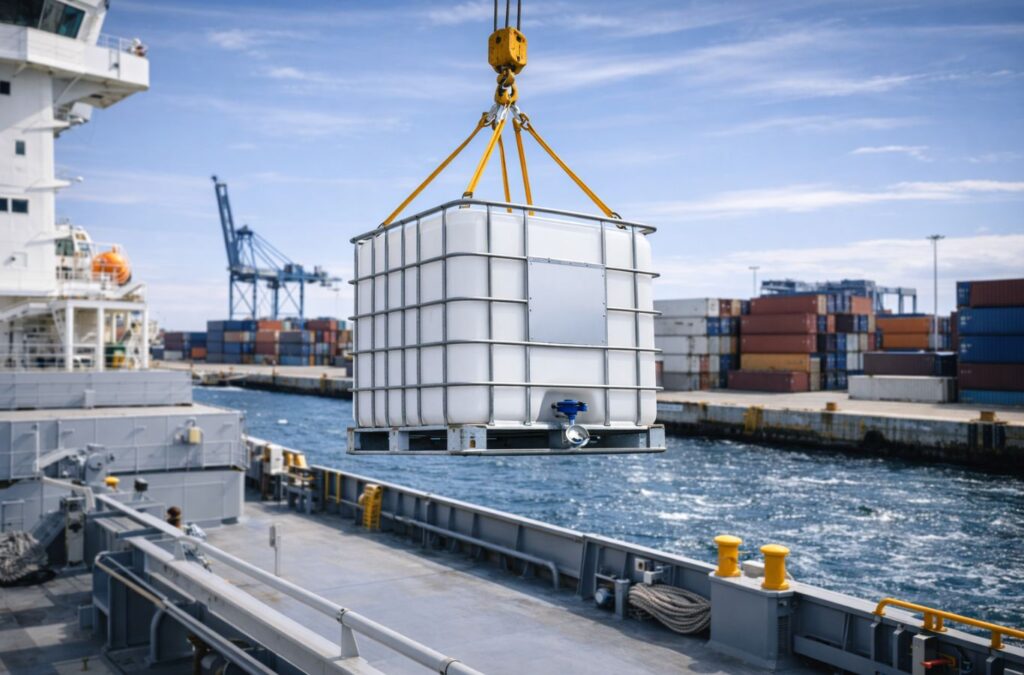
Managing a vessel involves juggling dozens of vendors. From fuel to provisions to technical fluids, the administrative burden of coordinating multiple suppliers can be complex and inefficient. Smart operators know that the key to smoother port calls is vendor consolidation—finding partners who understand the “whole ship” ecosystem, not just a single tank. At aus40marine (a […]
Berth or Anchorage? We Deliver AUS40 Wherever You Are
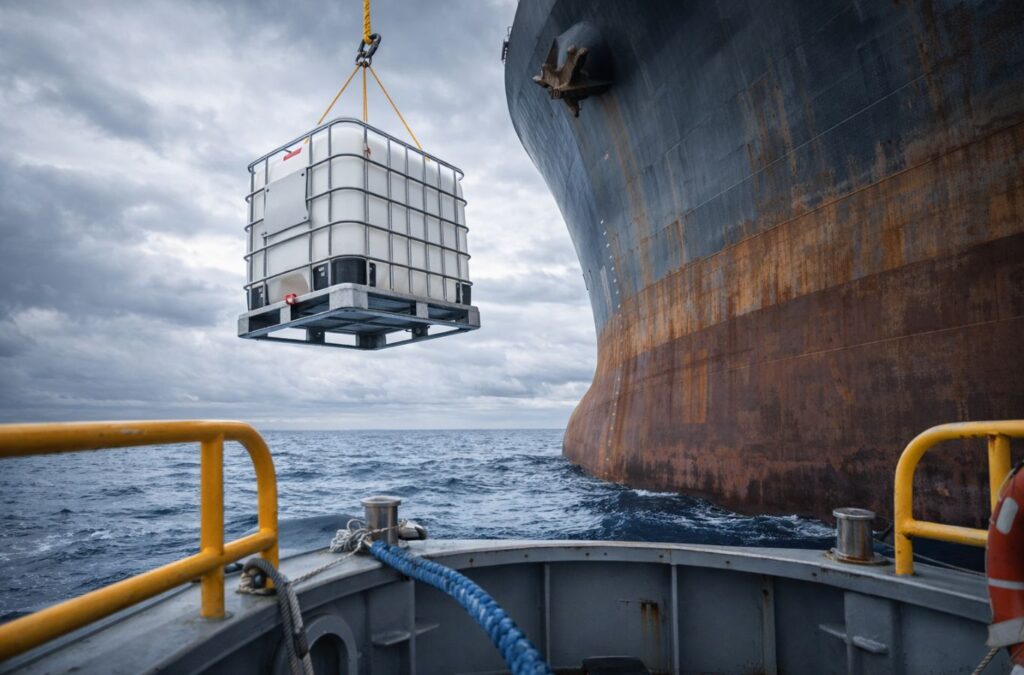
Maritime operations are rarely static. Weather delays, port congestion, and changing itineraries are the reality of the business. However, while schedules may shift, the requirement for environmental compliance does not. At aus40marine.com, we recognize that a “one-size-fits-all” delivery method doesn’t work for modern shipping. Whether your vessel is docked at a major terminal or waiting […]
Purity Matters: Why AUS40 Quality Control is Non-Negotiable

In the maritime industry, AUS40 is often discussed in terms of volume—thousands of liters pumped per hour. But for the Technical Superintendent or Chief Engineer, the most important metric isn’t quantity; it’s purity. AUS40 is not simply “bulk liquid.” It is a precision-engineered chemical reagent. When injected into a Selective Catalytic Reduction (SCR) system, even […]
Connect Once, Disconnect Once: Revolutionizing AUS40 Delivery
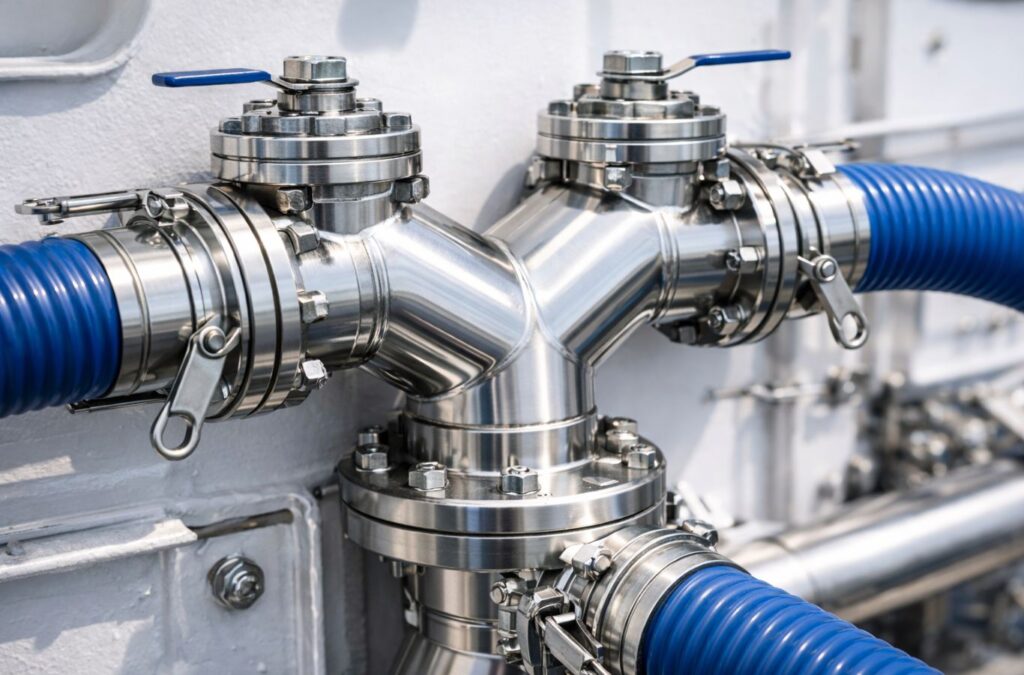
In the world of vessel operations, efficiency at berth is everything. The “Golden Rule” of port calls is simple: every hour saved is fuel saved, time gained, and stress avoided for the Chief Engineer responsible for keeping the vessel compliant and voyage-ready. At AUS40Marine, we have long understood the pressures that engineering teams face during […]
Beyond Compliance: Why AUS40 is Critical for the Future of Maritime Operations
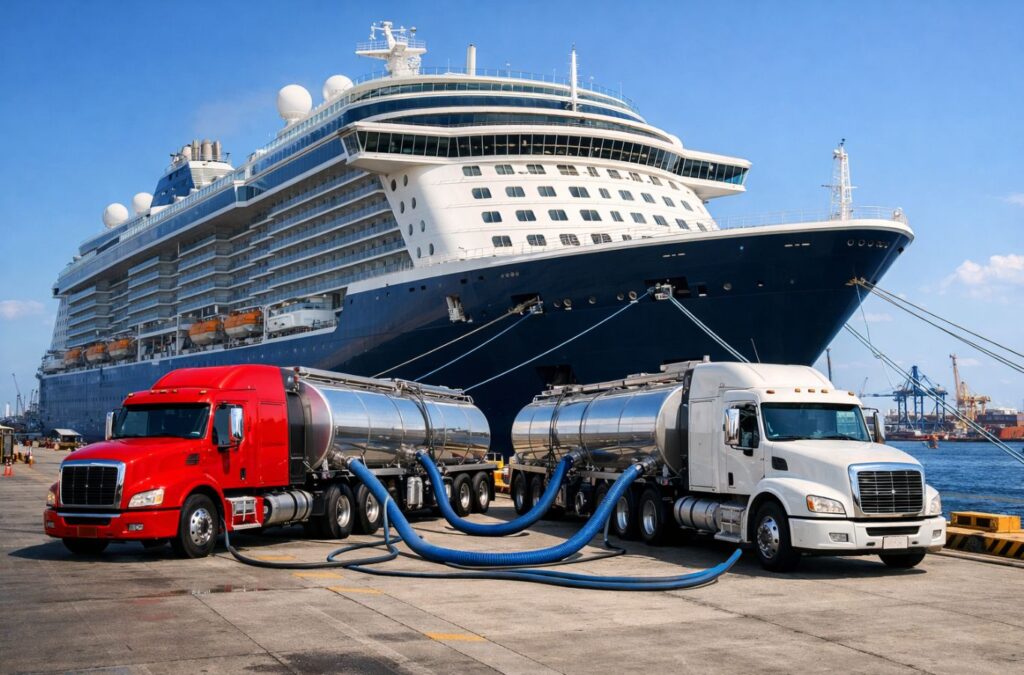
In the world of vessel operations, efficiency is everything. But in recent years, a new priority has risen to the top of the Chief Engineer’s checklist: Environmental Compliance. As global shipping continues to face immense pressure to reduce its environmental footprint, the industry is undergoing a massive shift. Central to this shift is AUS40, a […]