In today’s logistics market, moving freight can seem straightforward. A broker, a truck, and a delivery window.
But marine logistics does not work that way. Treating it like standard freight is where most failures begin.
Marine Logistics Has Zero Margin for Error
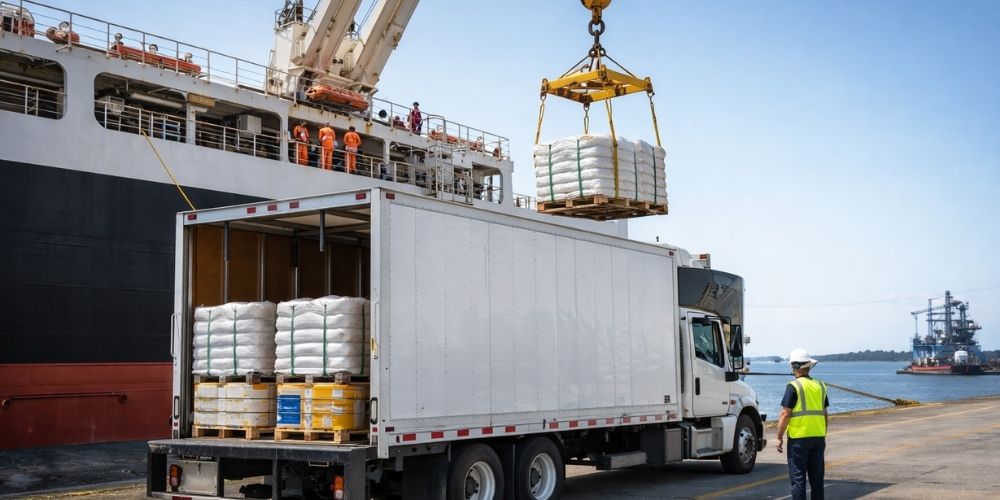
Delivering products shipside or via launch involves strict timing and coordination. Vessel schedules are fixed, port access is controlled, and delays are not easily absorbed.
Unlike traditional freight, marine deliveries require:
- Precise scheduling aligned with vessel arrival and departure
- Coordination with port authorities and terminals
- Immediate execution without delays or rescheduling
Missing a window is not an inconvenience. It is a failed operation.
Specialized Equipment and Credentials Matter
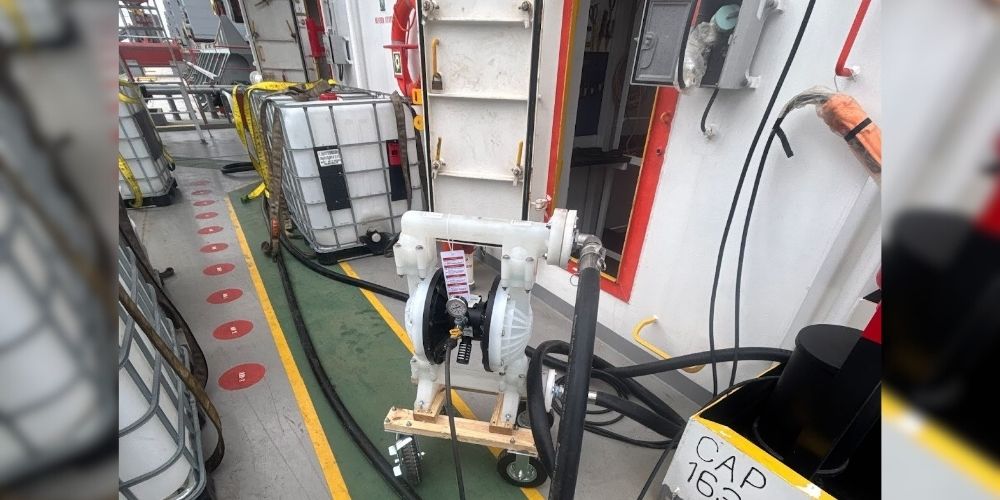
Marine logistics demands equipment and personnel that standard freight providers often overlook.
Key requirements include:
- Lift gate equipped trucks for specific cargo handling
- TWIC credentialed drivers for secure port access
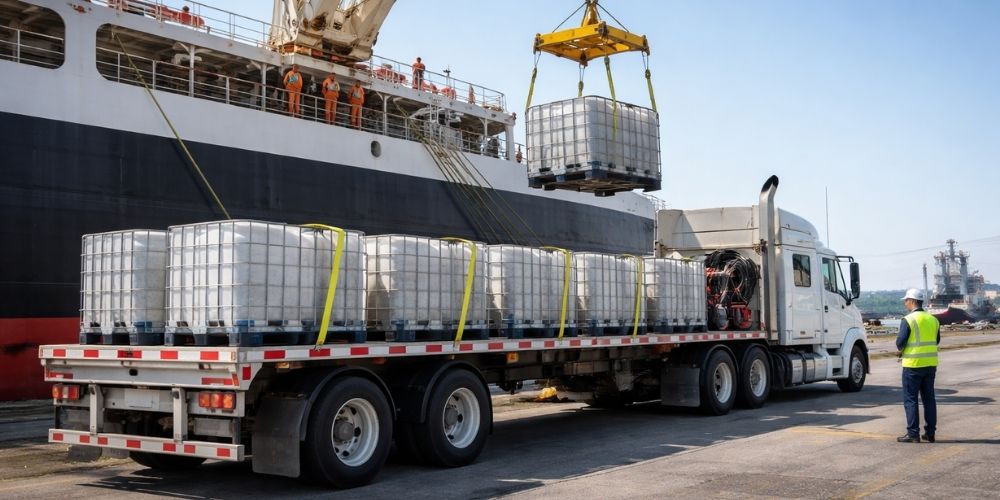
- Open top or specialized trailers for crane offloading
Without these, deliveries cannot even begin.
The Problem with Generic Brokerage Models
Most third party brokers treat marine freight like any other shipment. On paper, the move looks simple. In reality, it is not.
Common issues include:
- Lack of understanding of port operations
- Incorrect equipment dispatched
- Failure to coordinate with vessel crews
- Missed delivery windows
These gaps lead to delays, additional costs, or complete delivery failure.
Direct Experience Changes Execution
Exhaustfluid.com operates within marine logistics daily, not as an intermediary, but as a direct operator.
This hands-on approach allows for:
- Accurate planning based on real port conditions
- Proper equipment selection from the start
- Seamless coordination with vessels and terminals
- First-time execution without costly errors
This is not theory. It is operational experience.
Precision Over Assumptions
Marine logistics cannot be managed through assumptions or generic workflows. Every move must be built around real-world constraints.
From port access to final mile delivery, success depends on understanding the environment, not just booking a truck.
Conclusion
Marine freight is not standard freight. The difference is execution.
Operators who rely on general brokerage models take on unnecessary risk. Those who work with experienced marine logistics providers gain reliability, precision, and consistency.
To coordinate reliable marine logistics and shipside delivery, visit: https://www.exhaustfluid.com