## Introduction
Understanding the DEF price per gallon bulk versus retail pump costs has become critical for fleet managers, especially as the average DEF price per gallon at the pump climbed to $2.80 recently, the second highest in the last 12 months. Beyond the sticker price, retail purchases hide most important operational costs. To name just one example, each fueling stop pulls drivers off route and adds 20 to 30 minutes per trip. We’ve analyzed the total cost of ownership for both purchasing methods to help you determine which approach saves your fleet DEF budget in 2026. This piece breaks down how much is DEF fluid per gallon when you factor in delivery fees, labor, vehicle wear and compliance risks. You get a clear picture of the ground DEF price effect on your bottom line.
Understanding DEF Price Per Gallon: Retail Pump vs Bulk Delivery Costs in 2026
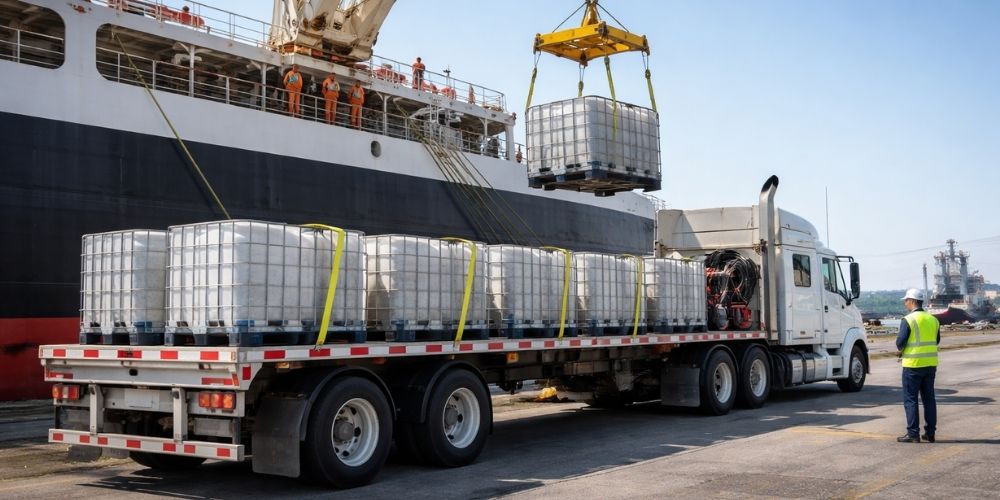
Retail pump pricing and DEF price per gallon bulk delivery reveal a stark cost difference that affects your fleet’s annual fluid expenses. Retail DEF pricing runs $1.00 to $1.25 per gallon higher than what bulk buyers pay, with the markup covering packaging, branding and convenience factors. To name just one example, a 2.5-gallon jug retails at about $12.00 to $18.00, or around $6.00 per gallon. Bulk deliveries to fleets with permanent storage price between $2.05 and $2.15 per gallon.
Pump prices show regional variation. The average U.S. DEF price per gallon at the pump held at $2.79 in July, though specific markets like San Diego offered $3.43 per gallon, nowhere near typical retail store pricing at 50% less. Tote refill prices dropped to $1.96 per gallon in July and demonstrated the price advantage of larger volume purchases. These pricing structures arrange with ISO 22241 standards that govern quality specifications for selective catalytic reduction systems.
Fleets investing in DEF tank monitoring infrastructure position themselves to capture savings of up to $1.00 per gallon compared to jug or retail bulk pricing. Understanding nationwide DEF delivery options versus spot-buying at truck stops becomes critical, given that fuel price volatility affects urea costs.
Total Cost Analysis: Retail Pump DEF vs Bulk Fleet DEF Delivery
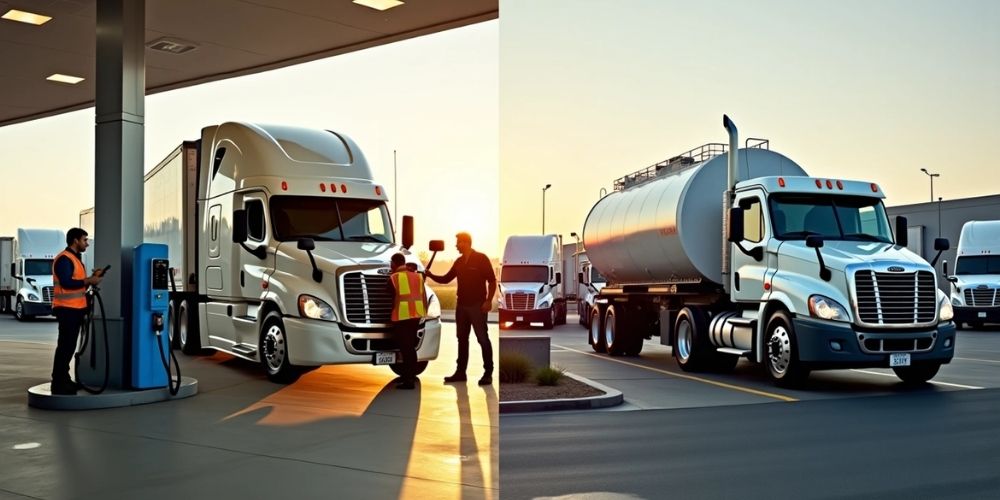
Calculating actual DEF price per gallon bulk savings requires you to analyze costs that retail purchases impose beyond the pump price. Fleet DEF operations face labor expenses each time drivers detour for refills. Retail refueling pulls workers off routes and consumes paid time that doesn’t generate revenue. These detours add vehicle mileage and increase wear. Fuel-related delays compound across large operations.
Bulk purchasing eliminates these hidden drains. Fleets report bulk DEF costs 40-60% cheaper than retail pricing. Some operations document savings approaching 70% when they compare direct delivery to pump purchases. A fleet burning 1 million gallons of diesel annually consumes roughly 40,000 gallons of DEF at typical 3-5% usage ratios. Saving $1.00 per gallon through bulk delivery translates to $40,000 in annual fluid cost reduction.
Administrative burden adds another layer. Retail purchases require reconciling many small transactions. Bulk systems with DEF tank monitoring provide centralized inventory visibility. Storage costs factor differently for each method. Retail avoids storage but sacrifices control over fluid quality. High-volume underground tanks risk contamination from water and sediment. Bulk delivery requires capital investment in storage infrastructure and delivers 25-50% cost reductions over time. Request a bulk DEF quote to model your specific operational savings.
Which DEF Purchasing Method Saves Your Fleet Money in 2026
Fleet size determines which purchasing method delivers optimal savings. Operations running 10-15 trucks find totes more practical. Fleets with 20 or more vehicles achieve better ROI through bulk tanks. For operations exceeding 50 trucks, bulk DEF almost always makes financial sense, especially when consumption reaches 300 to 600 gallons weekly.
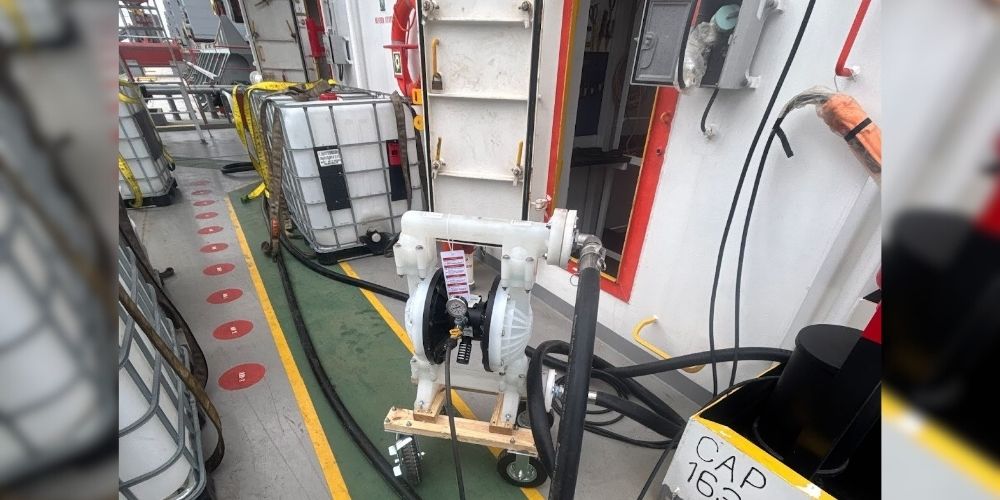
Infrastructure requirements differ between methods. Bulk systems demand dedicated storage tanks designed for DEF and regular cleaning protocols. Packaged DEF arrives factory-sealed and minimizes contamination risk during transport. It increases labor requirements and waste generation at scale, though. Bulk delivery supports nationwide DEF delivery with DEF tank monitoring that provides automated inventory visibility.
Quality management under API Certification standards and ISO 22241 Standards remains critical whatever purchasing method you choose. SCR Technology performance depends on maintaining urea concentration at 32.5%. Contaminated fluid compromises this. Fleets must follow EPA Emissions Regulations while managing storage temperatures that affect shelf life. Check DEF delivery near me options and review DEF maintenance tips before deciding. Request a bulk DEF quote to assess your break-even point. Think over energy and fuel trends affecting urea pricing.
Comparison Table
DEF Purchasing Method Comparison Table
| Attribute | Retail Pump DEF | Bulk DEF Delivery |
|---|---|---|
| Average Price Per Gallon | $2.79 – $6.00 (varies by format: pump $2.79-$3.43, jugs $6.00) | $2.05 – $2.15 |
| Price Markup vs. Bulk | $1.00 – $1.25 higher per gallon | Baseline pricing |
| Cost Savings Percentage | N/A (baseline retail) | 40-70% cheaper than retail |
| Time Cost Per Refueling Stop | 20-30 minutes off-route per trip | Eliminated (on-site delivery) |
| Labor Effect | Drivers pulled off routes, lost productivity | No driver involvement required |
| Vehicle Wear & Mileage | Additional mileage and wear from detours | Eliminated |
| Ideal Fleet Size | Small operations (<10 trucks) | 10-15 trucks (totes); 20+ trucks (bulk tanks); 50+ trucks (optimal ROI) |
| Weekly Consumption Threshold | Not specified | 300-600 gallons weekly for optimal savings |
| Annual Savings Potential | N/A | $40,000 per year (example: 1M gallon diesel fleet saving $1/gallon on 40,000 gallons DEF) |
| Infrastructure Requirements | None (pay-per-use) | Dedicated storage tanks, cleaning protocols, contamination protection |
| Storage Capital Investment | $0 | Starting investment required; delivers 25-50% cost reductions over time |
| Quality Control | Factory-sealed packaging minimizes contamination | Requires proper tank maintenance and monitoring |
| Contamination Risk | Lower (sealed containers); higher at high-volume underground pump tanks | Requires active management and tank monitoring systems |
| Administrative Burden | High (many small transactions to settle) | Low (centralized inventory with tank monitoring) |
| Inventory Visibility | Manual tracking required | Automated with DEF tank monitoring systems |
| Waste Generation | Higher (packaging waste at scale) | Lower (bulk delivery) |
| Best Use Case | Small fleets, occasional use, no storage capacity | Medium to large fleets (20+ trucks), consistent consumption, permanent facilities |
Note: Prices and savings are based on 2026 data. Actual costs vary by region, volume and supplier. DEF consumption runs at 3-5% of diesel fuel usage typically.
Conclusion
The choice between retail and bulk DEF depends on your fleet size. Operations with fewer than 10 trucks can stick with retail convenience. Fleets running 20 or more vehicles should think about bulk delivery, given the 40-70% cost savings and eliminated labor costs. The DEF price per gallon bulk advantage becomes undeniable at scale. Request a bulk DEF quote to calculate your specific break-even point and potential annual savings.
Key Takeaways
Fleet managers can save significantly on DEF costs by choosing the right purchasing method based on their operation size and consumption patterns.
• Bulk DEF delivers 40-70% savings over retail pump prices, with bulk averaging $2.05-$2.15 per gallon versus $2.79-$6.00 at retail pumps.
• Fleet size determines optimal method: Small fleets (<10 trucks) benefit from retail convenience, while 20+ truck operations should switch to bulk delivery.
• Hidden retail costs add up quickly – each pump stop wastes 20-30 minutes of driver time plus detour mileage and fuel costs.
• Large fleets see massive annual savings – operations using 40,000 gallons of DEF yearly can save $40,000 by switching from retail to bulk purchasing.
• Infrastructure investment pays off – bulk storage requires upfront capital but delivers 25-50% cost reductions over time with automated inventory monitoring.
The break-even point typically occurs around 300-600 gallons of weekly DEF consumption, making bulk delivery a clear winner for medium to large fleet operations seeking to optimize their fluid management costs.
FAQs
Q1. Is purchasing DEF in bulk actually cheaper than buying at retail pumps? Yes, bulk DEF purchasing typically costs 40-70% less than retail pump prices. Bulk delivery averages $2.05-$2.15 per gallon, while retail pump prices range from $2.79-$6.00 per gallon depending on the format. Beyond the per-gallon savings, bulk delivery eliminates hidden costs like driver time spent refueling (20-30 minutes per stop), detour mileage, and administrative burden from tracking multiple retail transactions.
Q2. What is the typical price range for bulk DEF per gallon in 2026? Bulk DEF delivery consistently prices between $2.05 and $2.15 per gallon for fleets with permanent storage infrastructure. This represents a significant discount compared to retail options, where pump prices average $2.79 per gallon and pre-packaged jugs can cost up to $6.00 per gallon. The bulk pricing advantage becomes more pronounced with larger volume purchases and scheduled deliveries.
Q3. At what fleet size does switching to bulk DEF become cost-effective? Bulk DEF becomes financially advantageous for fleets operating 20 or more vehicles, with optimal return on investment occurring at 50+ trucks. Operations consuming 300-600 gallons of DEF weekly typically reach the break-even point where bulk delivery savings offset the infrastructure investment. Smaller fleets with 10-15 trucks may benefit from tote purchases as a middle-ground option, while operations under 10 trucks generally find retail purchasing more practical.
Q4. How much can a large fleet save annually by switching to bulk DEF? A fleet consuming 1 million gallons of diesel annually uses approximately 40,000 gallons of DEF (at typical 3-5% consumption ratios). By saving $1.00 per gallon through bulk delivery versus retail purchasing, that fleet would realize $40,000 in annual fluid cost savings. When factoring in eliminated labor costs, reduced vehicle wear, and streamlined inventory management, total operational savings can be even greater.
Q5. What are the main infrastructure requirements for bulk DEF storage? Bulk DEF systems require dedicated storage tanks specifically designed for DEF, regular cleaning protocols, and protection measures against contamination. Proper tank maintenance and monitoring systems are essential to maintain DEF quality at the required 32.5% urea concentration. While this represents an upfront capital investment, bulk storage delivers 25-50% cost reductions over time and provides automated inventory visibility that simplifies fleet management.