Proper DEF storage temperature management becomes critical when winter temperatures drop below 12°F (-11°C). DEF freezes and expands at this point[-5], then puts pressure on storage tanks, pumps and internal lines. Frozen DEF can trigger derate conditions, slow your operations and damage dispensing systems. DEF crystallization restricts flow to SCR systems during cold weather and causes forced derates and equipment downtime that gets pricey.
You need to understand the DEF freezing point and implement proven storage methods to maintain fleet efficiency during winter months. We’ll walk you through seven reliable techniques to control DEF fluid storage temperature, best practices for winter handling and strategies to keep your SCR systems running smoothly whatever the temperature drops.
Understanding DEF Freeze Point and Storage Requirements
What Temperature Does DEF Freeze at and Why It Matters
DEF begins to crystallize and freeze at 12°F (-11°C). The urea concentration in the solution determines this freeze point. The freezing threshold matters for several reasons: DEF cannot flow through SCR technology systems after it solidifies. This can trigger derate conditions that limit engine performance. Most modern SCR systems include built-in heating elements that thaw frozen DEF during startup and allow normal vehicle operation without manual intervention.
Freezing does not degrade DEF quality. The solution retains its effectiveness at neutralizing NOx emissions after it thaws. You don’t need to discard DEF that has been frozen, which saves on replacement costs and reduces waste.
How DEF Composition Affects Temperature Sensitivity
DEF consists of 67.5% deionized water and 32.5% purified urea. This precise ratio is critical because it provides the lowest possible freeze point for the fluid. Any deviation from this [ISO 22241 standards](https://www.iso.org/standard/69288.html) formulation would result in a higher freezing temperature and make winter storage more challenging.
Quality DEF products that meet API certification requirements maintain the solution’s integrity because the water and urea freeze and thaw at the same rate. Poorly mixed formulas can cause problems. The water may thaw sooner and create a diluted mix, or the urea may thaw first and form a concentrated solution. Both scenarios can damage your SCR components.
The Effect of Freezing on DEF Tank Systems
DEF freezing in vehicle tanks does not affect startup and normal operation. The selective catalytic reduction system provides heating for both the DEF tank and supply lines. The DEF will solidify if your equipment sits in freezing temperatures overnight, but the automatic heating system thaws it once you start the engine.
Expansion Risks When DEF Freezes
Frozen DEF expands by around 7%. DEF tanks are designed with expansion room to prevent damage. The tank material and geometry allow the solution to turn solid without putting structural pressure on the reservoir. But you must avoid filling tanks to the top at the time you store equipment in freezing conditions. Space left in the tank prevents cracking, leaks and tank damage. Keep your DEF tank at least half full during winter for optimal results, as a fuller tank provides more thermal mass and helps the heating system work more efficiently.
7 Proven Methods to Control DEF Fluid Storage Temperature
Managing winter storage requires targeted strategies that address both bulk storage and dispensing operations. The following methods provide reliable protection in different operational scenarios.
1. Store DEF in Temperature-Controlled Indoor Spaces
Indoor storage in heated garages, insulated workshops, or temperature-controlled rooms prevents DEF from reaching its freeze point. Even modest indoor temperatures above 12°F (-11°C) keep DEF ready to dispense without crystallization concerns. This approach eliminates pump strain and maintains consistent flow during cold weather operations.
2. Use Insulated or Heated DEF Storage Tanks
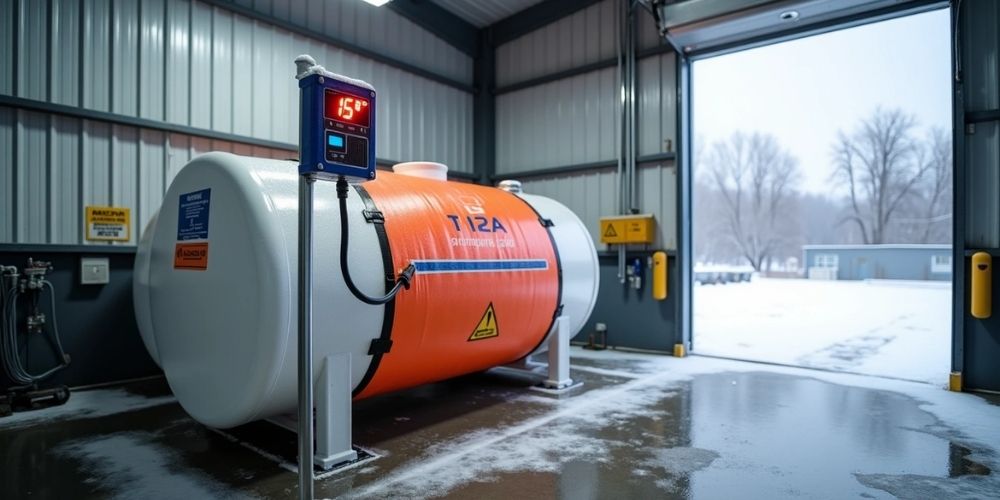
Modern DEF storage tanks incorporate heater wraps, thermostatic controls, or circulation systems that maintain fluid above freezing without overheating. Insulated totes slow temperature fluctuations and prevent crystal formation along interior walls. Automated DEF tank monitoring systems can trigger recirculation when temperatures approach freezing thresholds.
3. Install DEF Tank Heating Systems and Blankets
Specialized heating blankets enclose entire DEF storage containers while maintaining constant temperatures between 12°F and 65°F. These systems provide freeze protection and prevent overheating that degrades urea concentration. The rugged vinyl construction offers weather resistance for outdoor installations.
4. Maintain Proper Fill Levels in Storage Containers
DEF tanks should remain as full as possible during winter to reduce temperature fluctuations and create a stable internal environment. Full tanks minimize condensation buildup and reduce exposed surface area where crystals form during freeze-thaw cycles.
5. Keep Dispensing Equipment Warm Between Uses
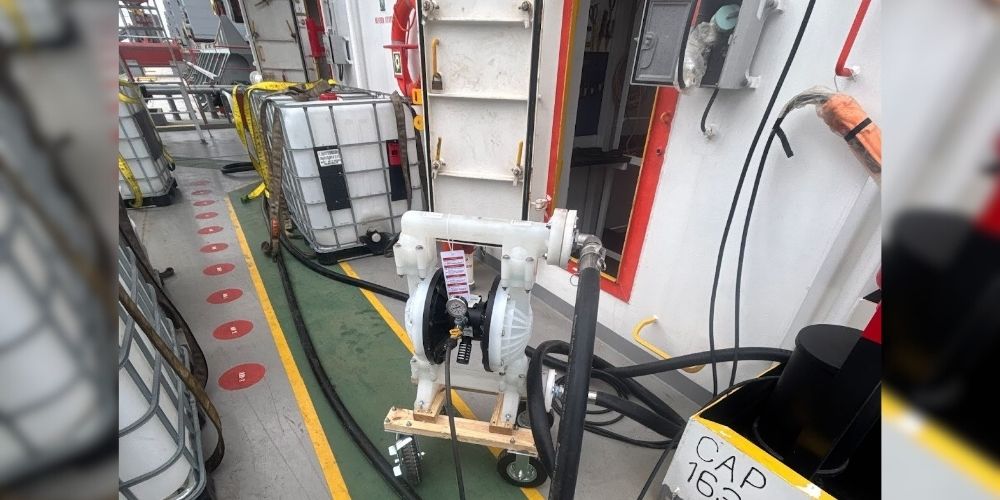
Hoses, nozzles, and pump heads freeze before bulk storage does. These components maintain operational readiness when stored in heated environments or insulated boxes between shifts. Many operators bring dispensing equipment indoors overnight or use heated pump houses for protection.
6. Implement Climate-Controlled Storage Cabinets
Enclosed cabinets protect totes, pumps, and hoses from wind chill and sudden temperature drops. These units provide even heat distribution while shielding components from snow and ice accumulation. For DEF delivery near me in northern regions, climate-controlled cabinets maintain uptime during extended subzero conditions.
7. Partner with Reliable DEF Suppliers for Winter Support
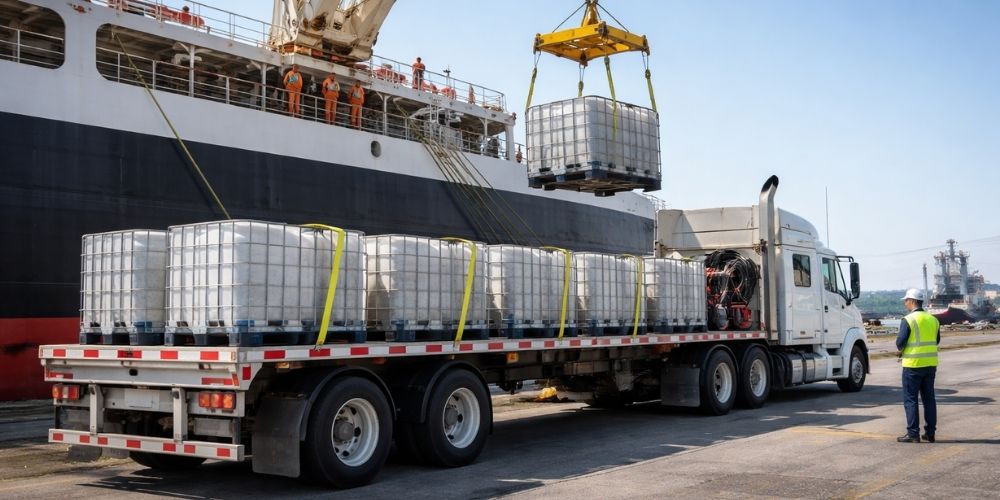
Suppliers who understand cold-weather operations ensure timely deliveries before cold fronts arrive. Trusted nationwide DEF delivery partners help maintain proper tank levels and deliver uncontaminated product that meets API certification standards. Request a [bulk DEF quote](https://exhaustfluid.com/contact-us/) to establish recurring delivery schedules that prevent freeze-related downtime.
Best Practices for Winter DEF Storage and Handling
Winter operations just need vigilant monitoring and strict handling protocols to preserve DEF quality and prevent SCR system complications.
Rotate DEF Stock to Maintain Freshness
DEF’s shelf life varies substantially based on storage temperature. At temperatures below 50°F (10°C), DEF maintains quality for 36 months. At 77°F (25°C), shelf life reduces to 18 months. It drops further to 12 months at 86°F (30°C) and just 6 months above 95°F (35°C). A first-in, first-out rotation system will give older stock priority before new deliveries arrive. Simple date labels on totes and jugs help crews avoid long-term storage. Fresh DEF flows smoother. It tolerates temperature swings better.
Prevent Contamination During Cold Weather Operations
DEF requires HDPE plastic or stainless steel containers for longer-term storage. The fluid is slightly corrosive and can contaminate when stored in incompatible materials. Tap water should not be used to clean equipment. It introduces contaminants from both the water source and residue inside hoses. Healthy DEF appears clear or slightly blue. Cold-affected DEF turns cloudy, milky, or white due to temporary urea crystals. Properly stored DEF returns to its normal appearance once warmed. If discoloration persists after warming, contamination has occurred.
Monitor Storage Temperatures Regularly
DEF levels need monitoring during cold weather, as the fluid can expand up to 7% when frozen. Regular temperature checks prevent unexpected freezing in bulk storage.
Avoid Adding Freeze Prevention Additives
Products to prevent DEF from freezing or to lower the freezing point should never be added. DEF consists solely of water and urea and must remain pure for proper SCR function.
How to Keep DEF from Freezing in Equipment and Vehicles
Understanding Built-In SCR System Heaters
Most SCR systems include automatic heating elements for both DEF tanks and supply lines. DEF will solidify if your vehicle sits overnight in freezing temperatures, but startup and normal operation remain unaffected. The SCR heating system thaws frozen DEF fast once you start the engine.
Proper Vehicle Warm-Up Procedures in Cold Weather
Turn your vehicle on to initiate the automatic thawing process. An error code may appear on your vehicle’s display at the time sensors detect frozen DEF. Consult your owner’s manual to determine if operating during thawing is safe for your specific model. A half or quarter-tank of DEF accelerates thawing because less frozen volume requires less heat. New vehicles may have fluid level sensors that prevent engine operation until DEF thaws.
Preventing DEF Line Crystallization
Fluid in delivery hoses freezes faster than tank contents. Detach frozen hoses and bring them into a warmer environment until thawed. Store hoses indoors or in insulated enclosures between uses to maintain flow readiness.
Managing DEF Thawing After Freezing Events
Never add solutions to raise the freeze point of DEF. Purity is everything in proper SCR system function. Let the product thaw through built-in heaters.
Conclusion
You now have everything needed to manage DEF storage temperature throughout winter. The methods outlined above will protect your fleet from freezing complications, prevent expensive downtime, and maintain SCR system reliability.
Your operations can continue smoothly whatever the temperature drops. Focus on consistent monitoring and partner with reliable suppliers. Your winter DEF management will improve substantially and keep your equipment running when it matters most.
Key Takeaways
Understanding DEF freezing behavior and implementing proper storage methods ensures uninterrupted fleet operations during harsh winter conditions.
• DEF freezes at 12°F (-11°C) and expands 7%, but modern SCR systems have built-in heaters that automatically thaw frozen fluid during startup • Store DEF in heated indoor spaces, use insulated tanks with heating systems, and maintain proper fill levels to prevent crystallization • Never add freeze prevention additives to DEF – maintain purity by using only temperature control methods and proper storage containers • Monitor storage temperatures regularly and rotate stock using first-in, first-out practices to maintain 36-month shelf life in cold conditions • Partner with reliable DEF suppliers for consistent winter deliveries and keep dispensing equipment warm between uses to prevent operational delays
Proper winter DEF management combines temperature control, quality preservation, and strategic planning to maintain SCR system efficiency and prevent costly equipment downtime during freezing weather.
FAQs
Q1. At what temperature does DEF freeze and will it damage my storage tank? DEF freezes at 12°F (-11°C) and expands by approximately 7% when frozen. However, DEF storage tanks are specifically designed with expansion room to accommodate this volume increase without causing structural damage. To prevent any issues, avoid filling tanks completely when storing in freezing conditions and leave adequate space for expansion.
Q2. Can I still use DEF after it has been frozen? Yes, frozen DEF is completely safe to use once thawed. Freezing does not degrade the quality or effectiveness of DEF at neutralizing NOx emissions. The water and urea components freeze and thaw at the same rate in quality products, maintaining the solution’s integrity. Simply allow it to thaw naturally and it will retain full effectiveness.
Q3. How long can I store DEF before it goes bad? DEF shelf life depends on storage temperature. When stored below 50°F (10°C), DEF maintains quality for 36 months. At 77°F (25°C), shelf life reduces to 18 months, and at temperatures above 95°F (35°C), it drops to just 6 months. Implement a first-in, first-out rotation system and label containers with dates to ensure you use older stock first.
Q4. Will my vehicle start if the DEF is frozen in the tank? Yes, your vehicle will start normally even with frozen DEF. Most modern SCR systems include automatic heating elements for both the DEF tank and supply lines that quickly thaw frozen fluid once you start the engine. Startup and normal operation remain unaffected, though you may see a temporary error code until the DEF thaws completely.
Q5. What’s the best way to prevent DEF from freezing in storage? The most effective method is storing DEF in temperature-controlled indoor spaces above 12°F. For outdoor storage, use insulated or heated storage tanks with thermostatic controls, install heating blankets designed for DEF containers, and maintain proper fill levels to reduce temperature fluctuations. Keep dispensing equipment warm between uses and partner with reliable suppliers for consistent winter deliveries.