Marine DEF 40% urea is designed for vessels operating Selective Catalytic Reduction (SCR) systems to meet strict maritime emission requirements. Land-based diesel engines use AUS 32 with 32.5% urea concentration. Marine applications often require the higher 40% concentration solution. The main difference lies in urea strength, freezing points and compliance standards tailored for different operating environments. AUS 32, also known as AdBlue DEF or DEF AdBlue in some markets, has become critical in the transport industry. Marine grade urea solutions like AUS 40 are engineered for large marine engines and maritime conditions. We’ll break down the technical specifications and performance differences. This will help determine which diesel exhaust fluid is right for your vessel’s operational needs.
Understanding Marine DEF 40% Urea and AUS 32: The Basics
What is AUS 32 Diesel Exhaust Fluid
AUS 32 represents Aqueous Urea Solution with 32.5% pure grade urea dissolved in 67.5% deionized water. Also known as AdBlue DEF in Europe or simply DEF in the Americas, this solution serves as the standard diesel exhaust fluid for land-based vehicles including highway trucks, construction machinery, and agricultural equipment. The solution meets ISO 22241 standards, which specify strict quality requirements for automotive applications. This 32.5% concentration provides the lowest freezing point possible at -11°C (12°F) while maintaining optimal catalytic activity for NOx reduction. The formulation allows the fluid to freeze and thaw without quality degradation or salt crystallization in equipment lines.
What is Marine DEF 40% Urea Solution
Marine DEF 40% urea is a high-purity aqueous urea solution containing 40% urea by weight, engineered for Selective Catalytic Reduction systems in maritime applications. Standardized according to ISO 18611, this marine grade urea solution addresses the demanding requirements of large combustion engines found in cargo vessels and commercial ships. The solution maintains its effectiveness in neutralizing nitrogen oxide emissions from marine diesel engines, though its freezing point sits at 0°C (32°F). This higher freezing threshold makes it suitable in geographic locations where extreme cold temperatures are nowhere near a concern.
Key Composition Differences: 32.5% vs 40% Urea Content
The technical difference centers on urea concentration. Marine DEF contains 6.5% more urea by weight compared to AUS 32. This additional urea content increases the solution’s knowing how to break down NOx emissions, making it more effective to treat larger combustion engine exhausts. The higher concentration raises the freezing point from -11°C to 1.7°C, a trade-off that favors performance over cold-weather resilience in maritime environments.
How SCR Technology Works in Marine Engines
SCR technology injects the urea solution into the exhaust stream where high temperatures induce thermal decomposition of urea into ammonia and carbon dioxide. The ammonia then reacts with nitrogen oxides at the catalytic surface and transforms them into molecular nitrogen and water vapor. This process can reduce NOx emissions by up to 90% and helps vessels meet EPA emissions regulations and IMO Tier III requirements. Many operators use DEF tank monitoring systems paired with nationwide DEF delivery services for reliable supply chain management.
Technical Specifications Comparison
Urea Concentration: 32.5% vs 40% by Weight
AUS 32 contains 32.5% urea dissolved in 67.5% deionized water, while marine grade urea solutions maintain 40% urea concentration in 60% water. This precise formulation gives Marine DEF 40% urea improved catalytic efficiency that breaks down NOx emissions in high-combustion marine engines.
Freezing Points: -11°C vs 1.7°C Temperature Tolerance
AUS 32 achieves its optimal freeze point at -11°C (12°F) and provides cold-weather reliability that land-based operations need. Marine DEF 40% urea begins freezing at 1.7°C (35°F) and experiences salt crystallization near 3.3°C.
Storage Temperature Requirements for Each Solution
AUS 32 requires storage between -10°C and 24°C (14°F to 75°F). Marine urea solutions just need warmer conditions: 10°C to 29°C (50°F to 85°F). Operators rely on DEF tank monitoring systems to manage inventory reliably.
ISO Standards: ISO 22241 vs ISO 18611 Compliance
AUS 32 meets ISO 22241 standards that automotive applications require, while Marine DEF 40% urea complies with ISO 18611-1:2014 specifications designed for marine NOx reduction systems.
pH Levels and Chemical Properties
AUS 32 maintains a pH range of 7.0 to 8.5. Marine DEF 40% urea operates at higher alkalinity: 8.0 to 9.5. Both solutions remain non-flammable and non-hazardous.
Density and Specific Gravity Measurements
Both formulations share similar density profiles at 9.10 ± 0.025 lbs/gallon and specific gravity around 1.09 at 20°C. Contact us for a bulk DEF quote that matches your specifications.
Marine Applications and Performance
Why Marine Vessels Require 40% Urea Concentration
Marine SCR system manufacturers select 40% concentration as the most efficient ratio. Marine DEF 40% urea can treat more exhaust compared to lower concentrations at the same volume. This extends operational intervals between refills. Large cargo ships, tankers and container vessels generate much higher NOx output than land-based engines and need this improved reduction capacity.
Land-Based vs Maritime Emission Standards
The EPA has mandated SCR systems for ocean-going vessels including barges, freight ships and ferries. IMO Tier III standards require approximately 80% NOx reduction compared to Tier I levels. These regulations apply within Nitrogen Emission Control Areas (NECAs) and cover the North American coast, U.S. Caribbean, North Sea and Baltic Sea.
NOx Reduction Efficiency in Large Marine Engines
Marine SCR systems achieve 60-90% NOx reduction depending on loading conditions and temperature. The technology transforms harmful emissions into nitrogen and water vapor at near-zero emission levels. Operators should review DEF maintenance tips to ensure optimal system performance.
Cost-Effectiveness for Different Vessel Types
Container ships, tankers and cargo freighters benefit most from marine grade urea solutions. The higher concentration reduces storage requirements and refill frequency during long-haul operations.
When AUS 32 Might Be Used on Smaller Vessels
Smaller marine vessels with less demanding engines may employ AUS 32 in specific circumstances. But most maritime applications require the 40% formulation to comply with regulations. Check DEF delivery near me to find local availability.
Storage, Handling, and Procurement Considerations
Compatible Tank Materials for Marine Grade Urea
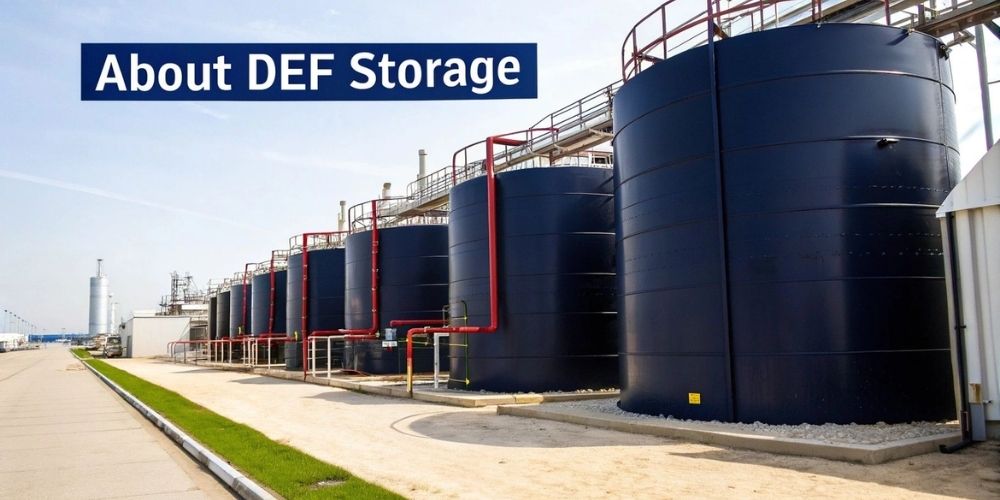
High-density polyethylene (HDPE) and stainless steel remain the only approved materials to store marine grade urea solutions. HDPE offers corrosion immunity and lightweight advantages to fit smaller commercial vessels. Stainless steel grades 304 or 316 provide superior contamination protection and lifetime durability for heavy-duty operations. Never use copper, brass, aluminum, or carbon steel tanks. These materials corrode and introduce metallic contaminants that damage SCR catalysts.
Shelf Life Differences: Temperature’s Effect on Longevity
Storage temperature determines longevity. Marine DEF 40% maintains 18-month shelf life at 0-25°C, dropping to 12 months at 30°C and just 6 months at 35°C. Heat accelerates urea hydrolysis and reduces effectiveness. A first-in, first-out inventory system prevents degradation.
Bulk Ordering vs Regular Refills for Fleet Operations
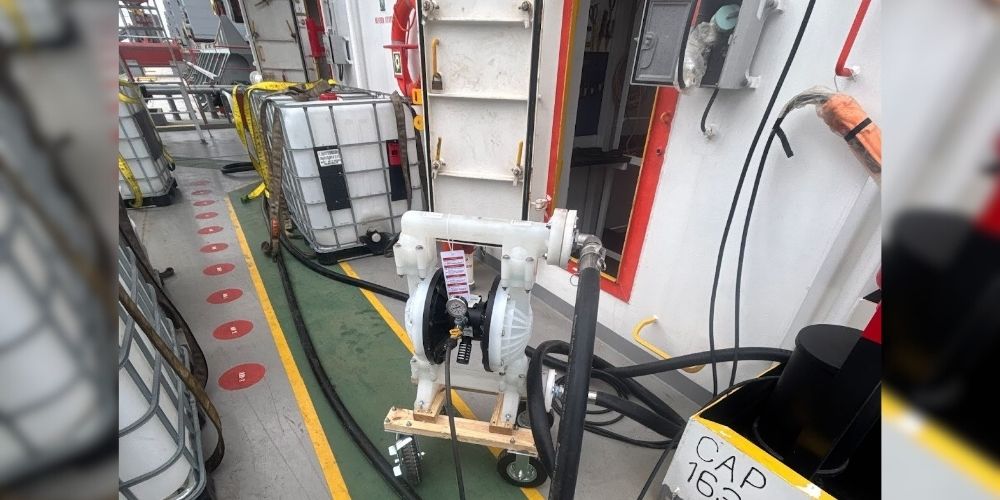
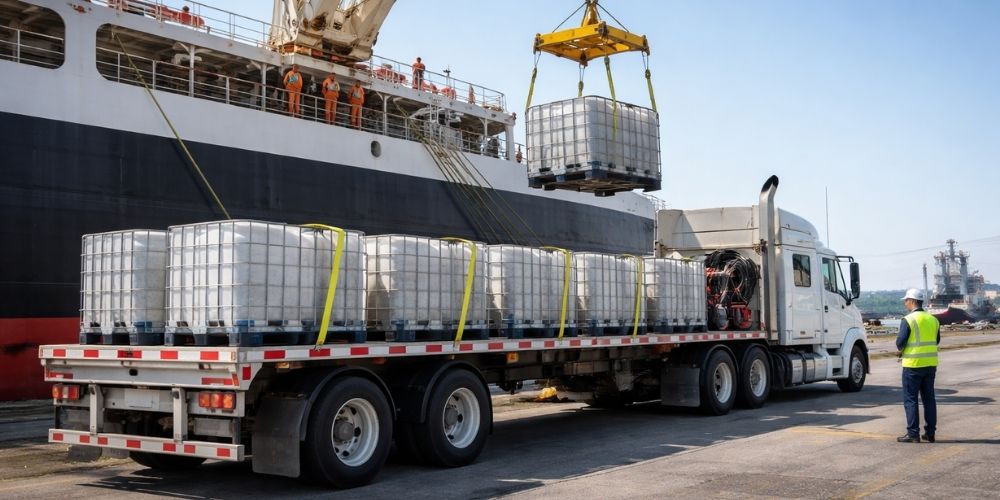
Commercial fleets use 1,000-liter intermediate bulk containers or 2,000-liter drums to refill operations. Large-scale maritime operations rely on 23,000-liter flexitanks in containers that ensure high-purity delivery. Nationwide DEF delivery with DEF tank monitoring through bulk purchasing reduces contamination risks inherent in frequent container openings.
Quality Testing and Purity Requirements
ISO 18611 requires marine urea alkalinity below 0.5% ammonia content. Onboard pH testing using portable meters confirms solution quality without complex laboratory procedures. Operators should test concentration using refractometers, especially after temperature exposure. Request a bulk DEF quote for certified marine solutions.
Comparison Table
Marine DEF 40% Urea vs AUS 32: Complete Comparison Table
| Attribute | AUS 32 (AdBlue DEF) | Marine DEF 40% Urea |
|---|---|---|
| Urea Concentration | 32.5% urea / 67.5% deionized water | 40% urea / 60% deionized water |
| Freezing Point | -11°C (12°F) | 1.7°C (35°F) |
| Salt Crystallization Point | Not mentioned | 3.3°C |
| Storage Temperature Range | -10°C to 24°C (14°F to 75°F) | 10°C to 29°C (50°F to 85°F) |
| ISO Standards Compliance | ISO 22241 (automotive applications) | ISO 18611-1:2014 (marine NOx reduction) |
| pH Range | 7.0 to 8.5 | 8.0 to 9.5 |
| Density | 9.10 ± 0.025 lbs/gallon | 9.10 ± 0.025 lbs/gallon |
| Specific Gravity (at 20°C) | ~1.09 | ~1.09 |
| Main Applications | Land-based vehicles (highway trucks, construction machinery, agricultural equipment) | Marine vessels (cargo ships, tankers, container vessels, barges, freight ships, ferries) |
| NOx Reduction Efficiency | Not mentioned | 60-90% (varies with loading conditions and temperature) |
| Emission Standards | EPA standards for land-based vehicles | IMO Tier III (80% NOx reduction vs Tier I), EPA maritime regulations |
| Applicable Zones | General land-based operations | Nitrogen Emission Control Areas (NECAs): North American coast, U.S. Caribbean, North Sea, Baltic Sea |
| Shelf Life at 0-25°C | Not mentioned | 18 months |
| Shelf Life at 30°C | Not mentioned | 12 months |
| Shelf Life at 35°C | Not mentioned | 6 months |
| Compatible Tank Materials | HDPE, Stainless Steel (304 or 316) | HDPE, Stainless Steel (304 or 316) |
| Incompatible Materials | Copper, brass, aluminum, carbon steel | Copper, brass, aluminum, carbon steel |
| Flammability | Non-flammable, non-hazardous | Non-flammable, non-hazardous |
| Bulk Storage Options | Not mentioned | 1,000-liter IBCs, 2,000-liter drums, 23,000-liter flexitanks |
| Quality Testing Requirements | ISO 22241 standards | ISO 18611 (alkalinity below 0.5% ammonia content) |
| Cold Weather Performance | Works best in cold climates (freezes/thaws without degradation) | Suitable for warmer geographic locations |
| Catalytic Efficiency | Standard for automotive SCR systems | Improved for high-combustion marine engines |
Conclusion
The choice between Marine DEF 40% urea and AUS 32 depends on your vessel type and operating environment. Marine applications just need the 40% concentration for regulatory compliance and improved NOx reduction efficiency. Land-based engines work best with AUS 32’s better cold-weather tolerance. Especially when you have large commercial fleets, we recommend partnering with a reliable supplier that offers DEF tank monitoring and automated logistics. Contact us for a bulk DEF quote tailored to your fleet’s specific requirements.
Key Takeaways
Understanding the differences between Marine DEF 40% urea and AUS 32 is crucial for vessel operators to ensure regulatory compliance and optimal engine performance.
• Marine vessels require 40% urea concentration for IMO Tier III compliance and enhanced NOx reduction in high-combustion engines, while land-based vehicles use AUS 32 with 32.5% concentration.
• Temperature tolerance differs significantly: AUS 32 freezes at -11°C making it ideal for cold climates, while Marine DEF 40% freezes at 1.7°C, suitable for warmer maritime environments.
• Storage requirements are critical: Both solutions need HDPE or stainless steel tanks, but Marine DEF requires warmer storage (10-29°C) compared to AUS 32 (-10 to 24°C).
• Regulatory compliance varies by application: AUS 32 meets ISO 22241 automotive standards, while Marine DEF 40% complies with ISO 18611 maritime emission requirements.
• Cost-effectiveness favors marine grade for large vessels: The higher urea concentration reduces storage needs and refill frequency for container ships, tankers, and cargo freighters operating in emission control areas.
For commercial maritime operations, Marine DEF 40% urea is essential for meeting strict emission standards while maximizing operational efficiency between refills.
FAQs
Q1. What exactly is AUS 32 and how is it composed? AUS 32 is an aqueous urea solution consisting of 32.5% high-purity urea dissolved in 67.5% deionized water. This standardized diesel exhaust fluid is designed for use in Selective Catalytic Reduction (SCR) systems, primarily in land-based vehicles like trucks and construction equipment.
Q2. Is there any quality difference between various DEF products like AdBlue? No, there are no different grades of DEF when it comes to quality. All diesel exhaust fluid products, including AdBlue, must meet the same international ISO 22241 standards to ensure consistent composition and effectiveness in reducing emissions. AdBlue is simply a trademarked brand name for DEF.
Q3. Why do marine vessels use 40% urea concentration instead of the standard 32.5%? Marine vessels require 40% urea concentration because their large combustion engines produce significantly higher NOx emissions than land-based engines. The higher concentration provides enhanced catalytic efficiency and allows vessels to meet strict IMO Tier III emission standards, which require approximately 80% NOx reduction.
Q4. What is the acceptable urea percentage range for diesel exhaust fluid? The urea content should measure between 31.8% and 33.2% for AUS 32, with the optimal target being 32.5%. This can be verified using a handheld refractometer or through laboratory testing to ensure the fluid maintains its emission-reducing effectiveness.
Q5. What are the main storage temperature differences between AUS 32 and Marine DEF 40%? AUS 32 requires storage between -10°C and 24°C and freezes at -11°C, making it suitable for cold climates. Marine DEF 40% needs warmer storage conditions between 10°C and 29°C and begins freezing at 1.7°C, which is appropriate for maritime environments in warmer geographic locations.