
Choosing the right bulk DEF delivery method can cut your fluid costs by 25% to 50%, but only if you match the system to your actual usage. Since DEF became the second most consumed fluid on trucks after diesel fuel, fleet managers face a decision: invest in bulk storage or stick with tote exchange systems. Both bulk DEF and tote DEF options offer clear advantages, but the wrong choice can drain your budget and complicate operations. Understanding what is bulk DEF versus a DEF tote system matters because your fleet size, weekly consumption, and yard infrastructure all play a role in determining the most affordable approach. We’ll break down the cost differences and storage requirements in detail. This will help you decide whether a tote of DEF or bulk delivery makes more sense for your yard.
What is Bulk DEF Delivery and Tote Exchange?
Understanding Bulk DEF Storage Systems
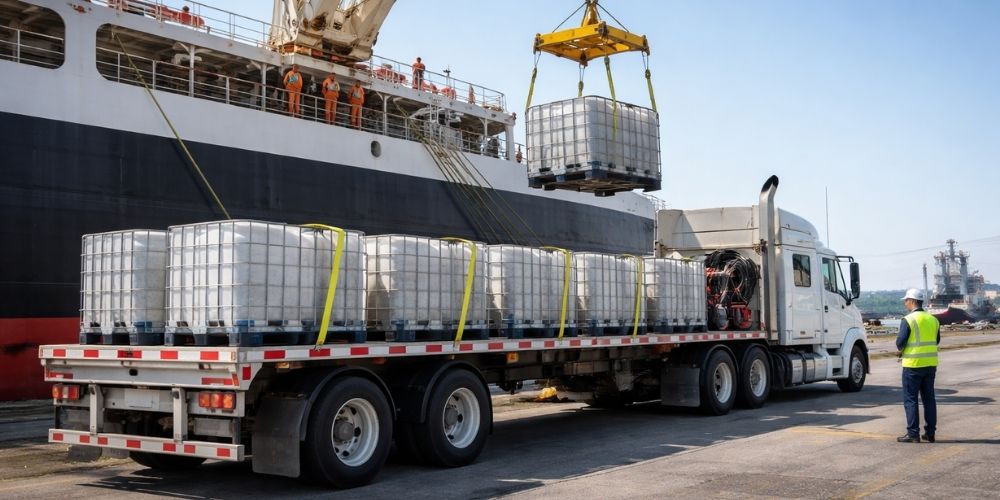
Bulk DEF delivery involves tanker trucks transporting large quantities of diesel exhaust fluid directly to on-site storage tanks at your facility. These storage systems range from 793 gallons to over 20,000 gallons in capacity. Complete systems come pre-wired and include the storage tank, DEF pump and dispense equipment. Bulk systems up to 3,000 gallons are designed to maintain product integrity and support truck fleets of all sizes.
The tanks feature double-walled construction with stainless steel SS304 internal tanks and carbon steel outer tanks. They provide mechanical overfill protection and easy maintenance access. Most systems include integrated dispensing equipment fitted with pumps. You can get them in both horizontal and vertical orientations. For fleets consuming 300 to 600 gallons weekly, bulk DEF delivery offers the quickest way. Tanker trucks fill on-site storage that can exceed 4,000 gallons.
What is a DEF Tote and How Does Tote Exchange Work?
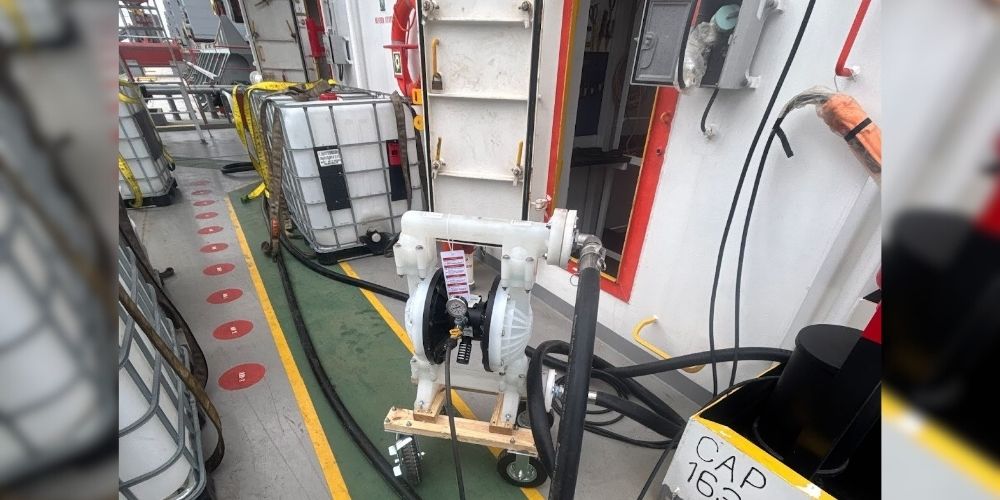
A DEF tote is a portable storage container holding 275 to 330 gallons of diesel exhaust fluid. High-density polyethylene (HDPE) or stainless steel make up these containers. They come equipped with built-in dispensing systems including pumps, nozzles and hoses. Tote exchange programs work through a simple cycle: you purchase a full tote, use the DEF, then return the empty tote to exchange for another full unit.
Suppliers inspect returned totes for seal damage before they provide replacement units. This system allows operations to access DEF tank monitoring and bulk pricing without requiring permanent storage infrastructure. Totes feature forklift-compatible bases to transport them easily. Sealed fittings prevent contamination.
Main Differences Between Bulk and Tote Systems
Bulk systems require permanent installation and space for storage tanks. Tote DEF solutions offer portability and minimal infrastructure requirements. Bulk delivery serves high-volume operations well, whereas tote exchange provides flexibility for distributed locations or inconsistent usage patterns. The fundamental difference lies in storage capacity and delivery method: bulk arrives via tanker truck into fixed tanks, while totes come as individual sealed containers that can be relocated as needed.
Cost Comparison: Bulk DEF vs. Tote of DEF
Per-Gallon Pricing: Which Option Saves More?
Bulk DEF costs nearly 70% less per gallon compared to pump stations or single-use containers. Truck stop pumps price at $2.79 per gallon currently, while full truckload bulk deliveries drop to $1.55 per gallon. Tote refills price at $1.98 per gallon. Partial truckload deliveries run $1.88 per gallon. Operations can reduce DEF costs by 25% to 50% with the right bulk tank size.
Original Equipment Investment for Each Method
Tote systems need minimal upfront investment. DEF transfer pumps and dispensing equipment range from $448 to $1,166. Bulk storage demands substantially higher capital: bulk storage tank installation costs around $145,000, while specialized tanker trucks run $220,000. Total startup costs for bulk DEF distribution operations can reach $730,000 to $950,000. These figures account for fleet acquisition, storage infrastructure and starting inventory.
Long-Term Cost Benefits and ROI Timeline
Fleets operating 20 or more trucks achieve the best return on investment from bulk tanks. The business model for bulk distribution shows break-even within one month. Cash payback happens in nine months. Bulk purchasing provides pricing consistency and makes budget projections more accurate. Expenditures line up with forecasts better.
Hidden Costs to Think Over
Delivery overhead averages around $150 per stop. This covers labor, fuel, equipment, insurance and maintenance. Operations must maintain a working capital buffer covering at least three months of overhead, estimated at $227,000 monthly for bulk distribution. Tote systems avoid large infrastructure costs but incur higher per-gallon pricing. Bulk tanks need upfront investment in pumps, dispensers and monitoring systems for DEF tank monitoring.
Storage, Space, and Operational Requirements
Space Requirements for Bulk Tanks vs. Tote DEF Storage
Storage infrastructure requirements separate bulk and tote systems at the yard level. Tote DEF storage uses 330-gallon containers with stackable designs. Units can stack two-high when full and three-high when empty. These HDPE totes include forklift pockets for relocation and measure compact enough for tight spaces. Bulk tanks demand permanent footprints with capacities reaching 20,000 gallons. They need dedicated areas for tank placement, pump housing and vehicle access during refills.
Equipment Needs: Pumps, Dispensers, and Monitoring
DEF transfer pumps range from manual hand-operated units to electric systems priced between $459 and $1,050. Tote systems come equipped with 12V or 115V pumps, 20-foot discharge hoses and auto shut-off nozzles. Monitoring technology uses ultrasonic sensors integrated into battery-powered devices with cloud-based software for up-to-the-minute level tracking.
Delivery Frequency and Scheduling Flexibility
Tote exchange programs trigger automatic refills when tanks reach 30% capacity. Deliveries arrive within 3-5 business days. Bulk delivery scheduling depends on consumption rates, with suppliers using remote monitoring to prevent run-outs.
Inventory Management and Remote Monitoring Options
Remote DEF tank monitoring provides 24/7 level tracking through wireless sensors. The system sends alerts when fluid drops below set thresholds. This technology works on both bulk tanks and tote systems. Manual gage readings become unnecessary.
Which DEF Supply Method is Right for Your Yard?
Usage Volume: How Much DEF Does Your Operation Need?
Fleet operations consume DEF at 2% to 3% of diesel fuel usage. This translates to one gallon of DEF for every ten gallons of diesel. Operations using 300 to 600 gallons of DEF weekly find bulk DEF delivery the quickest way. Smaller consumption levels work better with tote DEF systems. This avoids product sitting too long and risking contamination.
Fleet Size and Refueling Patterns
A fleet with 10 to 13 trucks requires a 1,000 to 2,000-gallon storage tank, while 26 to 40 trucks need 3,000 to 4,000 gallons. Operations running 80 to 160 trucks require 5,000 to 6,000-gallon capacity. Fleets operating 20 or more trucks achieve the best return on investment from bulk tanks.
Site Infrastructure and Available Space
Permanent bulk installations need dedicated areas for tank placement and vehicle access. Tote systems require minimal infrastructure and offer portability for distributed locations or inconsistent usage patterns.
Choosing Between Bulk Delivery and Tote Exchange
High-volume fleets benefit from DEF tank monitoring with bulk systems, while operations with lighter needs or multiple sites should think about tote exchange. Contact us for a bulk DEF quote to review your specific requirements.
Comparison Table
Comparison Table: Bulk DEF Delivery vs. Tote Exchange
| Attribute | Bulk DEF Delivery | Tote Exchange |
|---|---|---|
| Storage Capacity | 793 to 20,000+ gallons | 275 to 330 gallons per tote |
| Per-Gallon Pricing | $1.55 (full truckload) to $1.88 (partial truckload) | $1.98 per gallon (tote refills) |
| Cost Savings vs. Pump Stations | Nearly 70% less per gallon | Moderate savings |
| Original Equipment Investment | $145,000 (tank installation) to $730,000-$950,000 (complete distribution operation) | $448 to $1,166 (transfer pumps and dispensing equipment) |
| Tank Construction | Double-walled (SS304 stainless steel internal, carbon steel outer) | High-density polyethylene (HDPE) or stainless steel |
| Delivery Method | Tanker truck fills on-site storage tanks | Sealed containers exchanged when empty |
| Infrastructure Requirements | Permanent installation with dedicated space for tank, pump housing, and vehicle access | Minimal infrastructure; portable and relocatable |
| Space Requirements | Large permanent footprint required | Compact; stackable 2-high when full, 3-high when empty |
| Optimal Weekly Consumption | 300 to 600 gallons | Less than 300 gallons |
| Optimal Fleet Size | 20+ trucks (best ROI); 10-13 trucks need 1,000-2,000 gal; 26-40 trucks need 3,000-4,000 gal; 80-160 trucks need 5,000-6,000 gal | Fewer than 20 trucks or distributed locations |
| ROI Timeline | Break-even within 1 month; cash payback in 9 months | N/A |
| Delivery Frequency | Based on consumption rates with remote monitoring | Automatic refills when tanks reach 30% capacity; 3-5 business days delivery |
| Equipment Included | Storage tank, DEF pump, dispense equipment, monitoring systems | Built-in dispensing systems: pumps (12V or 115V), 20-foot discharge hoses, auto shut-off nozzles |
| Monitoring Options | Remote DEF tank monitoring with ultrasonic sensors, 24/7 level tracking, cloud-based software | Remote DEF tank monitoring available; automatic reorder triggers |
| Portability | Fixed/permanent installation | Portable with forklift-compatible bases |
| Delivery Overhead Cost | Around $150 per stop | Around $150 per stop |
| Working Capital Buffer | $227,000 monthly for bulk distribution operations | Not mentioned |
| Best Use Case | High-volume fleets with consistent usage and permanent facilities | Operations with lighter needs, multiple sites, or inconsistent usage patterns |
| Contamination Prevention | Sealed systems with mechanical overfill protection | Sealed fittings; totes inspected for seal damage before exchange |
| Orientation Options | Horizontal and vertical | Stackable vertical design |
Conclusion
The choice between bulk DEF delivery and tote exchange comes down to your fleet size and weekly consumption. Operations running 20 or more trucks with consistent usage patterns will see the best ROI from bulk systems. Smaller fleets or distributed locations benefit from tote flexibility. We recommend requesting a bulk DEF quote to compare exact costs for your operation. Your usage volume determines which system delivers the most value in the end.
Key Takeaways
Choosing the right DEF delivery method can significantly impact your operational costs and efficiency. Here are the essential insights to guide your decision:
• Bulk DEF costs nearly 70% less per gallon than pump stations, with pricing at $1.55 versus $2.79 per gallon at truck stops.
• Fleet size determines ROI: Operations with 20+ trucks achieve best returns from bulk systems, while smaller fleets benefit from tote exchange flexibility.
• Weekly consumption is the key metric: Fleets using 300-600 gallons weekly should choose bulk delivery; lighter usage works better with tote systems.
• Initial investment varies dramatically: Tote systems require $448-$1,166 upfront, while bulk installations cost $145,000+ but pay back within 9 months.
• Infrastructure needs differ significantly: Bulk requires permanent tank installation and dedicated space, while totes offer portability with minimal infrastructure requirements.
The decision ultimately hinges on matching your delivery method to actual consumption patterns. High-volume operations benefit from bulk’s lower per-gallon costs and automated monitoring, while distributed or variable-usage fleets gain more value from tote exchange’s flexibility and lower upfront investment.
FAQs
Q1. How much cheaper is bulk DEF compared to retail pricing? Bulk DEF typically costs 40-60% less than retail prices, with bulk deliveries priced around $1.55 per gallon compared to $2.79 per gallon at truck stop pumps. This significant price difference means operations can reduce their DEF costs by 25% to 50% by switching to bulk delivery systems.
Q2. What is the typical capacity of a DEF tote? A standard DEF tote holds between 275 to 330 gallons of diesel exhaust fluid. These portable containers are constructed from high-density polyethylene (HDPE) or stainless steel and come equipped with built-in dispensing systems including pumps, nozzles, and hoses for convenient fluid transfer.
Q3. How long does DEF remain usable in storage? DEF typically expires after about one year when stored properly, assuming it hasn’t been contaminated before then. Clean DEF appears as a clear liquid, making it relatively easy to identify when the fluid has gone bad. Proper storage conditions help maintain product integrity throughout its shelf life.
Q4. Will DEF requirements continue for diesel trucks in 2027 and beyond? Yes, DEF requirements will continue for diesel trucks. While the EPA provided some relief for 2026 and older truck models, a 2022 heavy-duty NOx rule established new requirements for model year 2027 and newer trucks, ensuring DEF remains a necessary component for emissions compliance in modern diesel vehicles.
Q5. At what fleet size does bulk DEF delivery become cost-effective? Fleets operating 20 or more trucks achieve the best return on investment from bulk DEF systems. Operations consuming 300 to 600 gallons of DEF weekly find bulk delivery most efficient, with break-even typically occurring within one month and full cash payback in nine months.